

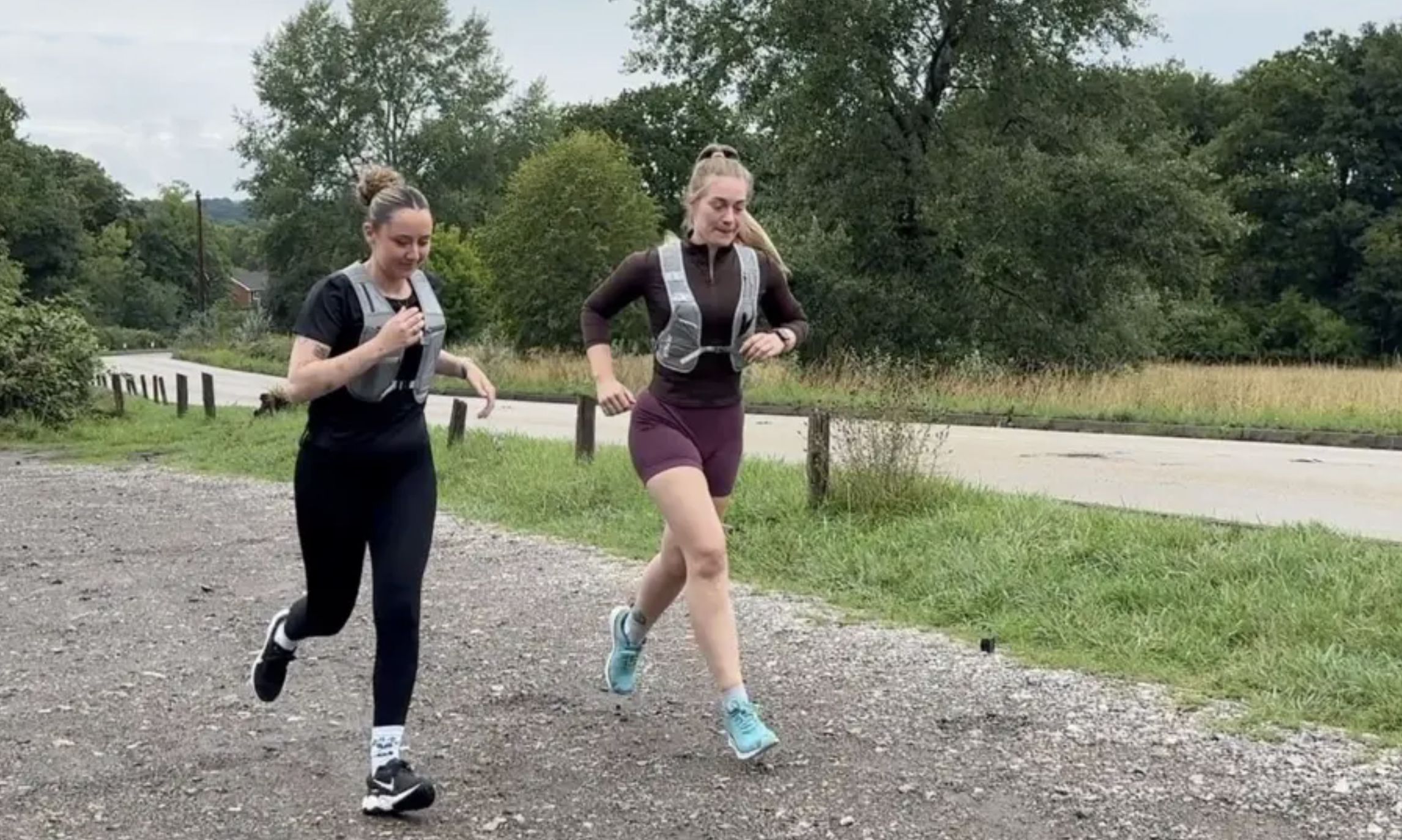
Police in Surrey launched an unusual undercover operation designed to expose just how common harassment towards women has become while simply trying to go for a run.
Thank you for reading this post, don't forget to subscribe!The initiative, called Jog On, saw female police officers dress in plain clothes and run through known hotspot areas while specialist officers waited nearby to intervene if they experienced abuse, BBC News reports.
What happened during the pilot operation shocked even the officers involved.
Within minutes of heading out, undercover runners were already being harassed.
One officer was honked at by a passing vehicle less than 10 minutes into her run before another car reportedly slowed down moments later, beeping and making gestures.
By the end of the operation, Surrey Police had made 18 arrests connected to offences including harassment, sexual assault and theft.
The campaign was introduced after concerns over the scale of harassment women face while exercising outdoors.
A Surrey County Council survey found that 94 percent of female respondents had experienced some form of harassment, while almost half admitted they never reported it to police.
PC Abby Hayward, one of the undercover officers who volunteered for the operation, said the experience reflected what many women deal with routinely.
“When I’m on my own, I don’t have the backup. It just ruins my whole run,” she explained to BBC News.
“As a young female, when I’m going out, mainly on a jog, it’s the staring, the leaning out of the window.”
Speaking after one particular undercover run, Hayward described how quickly the harassment began.
After confronting a lorry driver who had honked and laughed at her, she said officers were harassed again almost immediately after resuming their route.
“It’s not funny. I can’t really put it into words, other than it just makes me feel horrible,” she said.
“It shows how prevalent it is and how worthwhile this operation is.”
Hayward also stressed that behaviour often dismissed as “banter” can still leave women feeling intimidated and unsafe.
“This behaviour is either a precursor to something more serious, or it’s ignorance and it’s fixable,” she explained. “That’s where our interventions come in: to stop potential repeat offenders or help people understand that what they’re doing isn’t OK.”
Inspector Jon Vale, Surrey Police’s lead for violence against women and girls safer spaces, said the force wanted to better understand an issue that remains massively underreported.
“It’s a big information gap at the moment,” he explained.
“We know having spoken to staff that this is an issue for us locally. We know that it’s a significantly under-reported issue nationally as well.”
Vale also warned that catcalling can sometimes escalate into more serious offending.
“Someone slowing down, staring, shouting, even if it’s not always criminal, it can have a huge impact on people’s everyday lives and stops women from doing something as simple as going for a run,” he told LBC, per The Guardian.
“We have to ask: ‘Is that person going to escalate? Are they a sexual offender?’ We want to manage that risk early.”
According to Surrey Police, some incidents during the operation resulted in educational interventions rather than arrests, particularly in cases where officers believed individuals could be warned about antisocial behaviour before matters escalated further.
“For repeat offenders or where the behaviour is more serious, we will robustly pursue all criminal justice outcomes,” Vale added.
The Jog On campaign formed part of wider efforts across the UK last summer to tackle violence and harassment against women in public spaces.
Police forces had already begun trialling undercover operations in bars, clubs and nightlife settings to identify predatory behaviour before offences took place.
Meanwhile, other studies continued highlighting just how widespread the issue had become.
Research from the University of Manchester found more than two-thirds of women surveyed in north-west England had experienced harassment while running, including verbal abuse, threats and objects being thrown at them.
Another report from Sport England suggested almost three-quarters of women altered their exercise routines during winter because of safety concerns.
For many women, campaigns like Jog On weren’t revealing a hidden issue — they were simply documenting a reality they already knew existed.
Featured image credit: YouTube/SurreyPolice (screenshot)
