

Finally, some history news that actually piques my interest.
Thank you for reading this post, don't forget to subscribe!It’s not every day a museum unveils a centuries-old artefact that sparks equal parts curiosity and disbelief (and maybe a few giggles from immature guests) — but that’s exactly what happened in Amsterdam, when one piece revealed a lot about sex, humour, and hypocrisy in the 19th century.
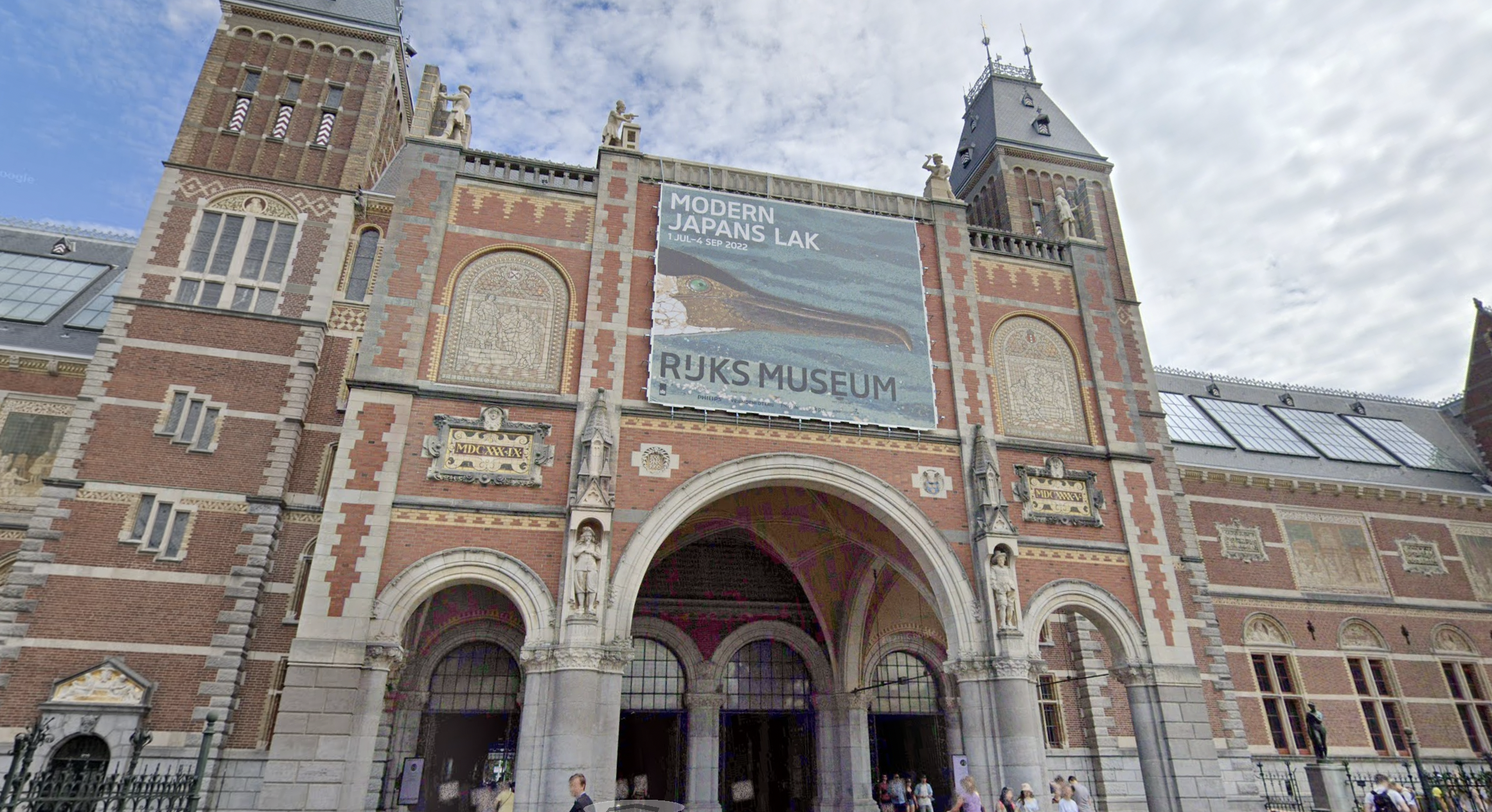
A nearly 200-year-old condom, complete with an explicit illustration, went on display last summer at the Rijksmuseum, marking the first time a contraceptive sheath has been added to the institution’s art collection.
Dating back to around 1830, the unusual item is believed to have been crafted from a sheep’s appendix and likely originated from an upmarket brothel in France, most probably in Paris. Far from being a purely functional object, it was designed as something far more provocative — and, arguably, performative.
The condom features an erotic etching depicting a partially undressed nun gesturing toward the erect genitals of three clergymen. Alongside the imagery is a bold French phrase: “Voila, mon choix” — translated as “There, that’s my choice”, per Indy100.
According to Rijksmuseum curator Joyce Zelen, the design wasn’t random. In fact, it appears to deliberately mirror a well-known mythological reference.
“So we believe that whoever acquired the condom would have been fairly sophisticated and well-educated,” she told The Guardian, noting that the composition alludes to the Greek myth of the Judgment of Paris — where a Trojan prince must choose between three goddesses.
That layered meaning is part of why the object has been elevated beyond novelty status and into the world of curated art.


The museum purchased the condom for €1,000 (£840) at an auction in Haarlem last November, and it now sits in a glass case as the centrepiece of a new exhibition titled Safe Sex?. The display explores themes of 19th-century sex work and sexual health through a mix of Dutch and French prints and drawings.
While the object may raise eyebrows today, it also offers a window into a very different time.
In the early 19th century, condoms were far from the widely available, regulated products we know now. Before the invention of vulcanised rubber in 1839, they were made using materials such as linen, animal membranes, and even turtle shells — and their effectiveness was limited.
“In the 1830s, when this condom was made, the use of condoms was still frowned upon, especially by the church,” Zelen explained. “They were mostly sold under the counter at brothels or barber shops, though there are some reports of luxury shops offering bespoke tailoring.”
That context helps explain the object’s dual identity — both a practical item and a so-called “luxury souvenir.”
Interestingly, despite its age and purpose, there’s strong evidence the condom was never actually used.
“We looked at it with UV light and suspect it was never actually used,” Zelen said.
Measuring 20cm in length, the piece also appears to have been designed with a certain marketing flair — flattering its potential buyer while leaning into humour and suggestion.
“It’s also unclear whether the nun in the etching is pointing at the bald man, the thin man, or the one who looks slightly overweight,” Zelen added. “That way, any type of man could feel spoken to.”
The playful ambiguity only adds to the artefact’s intrigue, blurring the line between satire, sexuality, and social commentary.
Displayed alongside works from the Dutch Golden Age, the condom represents something rarely seen in traditional museum spaces — an object that captures both the intimate realities and cultural contradictions of its time.
It just goes to show you – sometimes, the most talked-about exhibit isn’t a painting or sculpture, it’s something far more unexpected.
Featured image credit: Google Maps
